How to Choose the Perfect Mirror Size for Every Room (Complete 2026 Guide)
An expert, room-by-room guide to choosing the ideal mirror size, designer proportions, sizing charts, placement tips and the common mistakes to avoid.
A mirror is one of the few pieces in a home that is both functional and architectural. It reflects light, expands the visual boundaries of a room and quietly shapes how a space feels every day. Yet when homeowners begin shopping, most of the attention goes to the frame, the finish or the shape. Size is often an afterthought.
Professional interior designers think differently. Before deciding on colour or style, they determine the correct proportions. A beautifully made mirror that is too small will disappear on the wall. One that is too large can overwhelm the room. The right dimensions create balance that feels effortless.
This guide explains how designers choose mirror sizes room by room. Whether you are renovating a bathroom, styling a living room or selecting a full-length mirror for a wardrobe, the principles below will help you choose confidently.
Why Size Matters
The size of a mirror influences proportion, brightness, usability and perceived luxury. Large mirrors bounce more daylight around the room and visually extend walls. Smaller mirrors create focal points but must be carefully proportioned. Think of a mirror as part of the architecture rather than simply wall décor.
The Golden Rule of Proportion
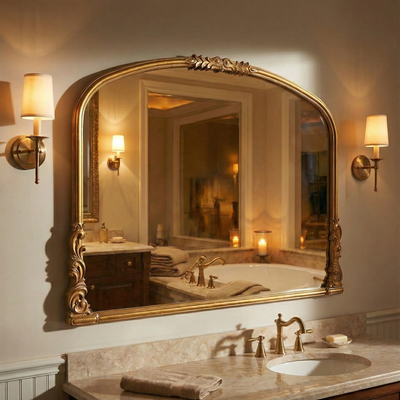
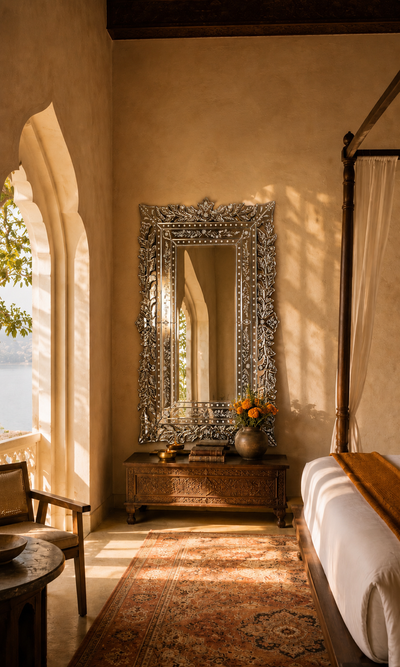
As a starting point, choose a mirror that is approximately 60–80% of the width of the furniture beneath it. Leave breathing room around the edges and avoid mirrors that are wider than the vanity, console or dresser unless the design intentionally calls for a wall-to-wall installation.
Bathroom Mirror Guide
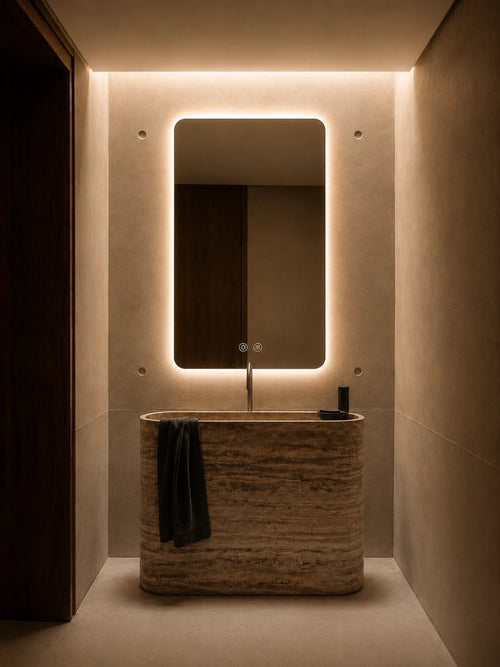
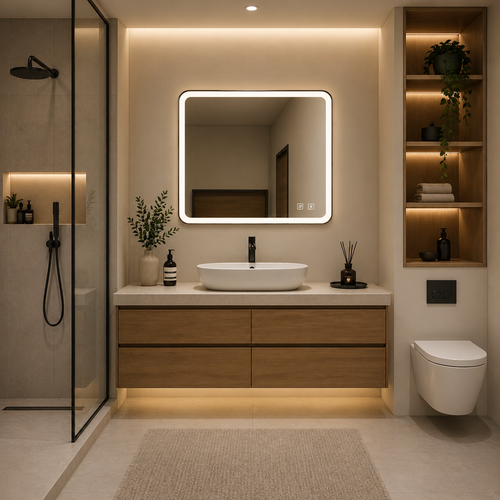
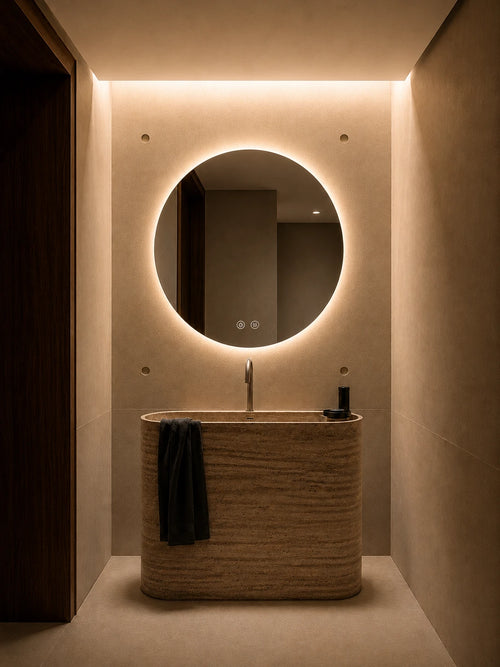
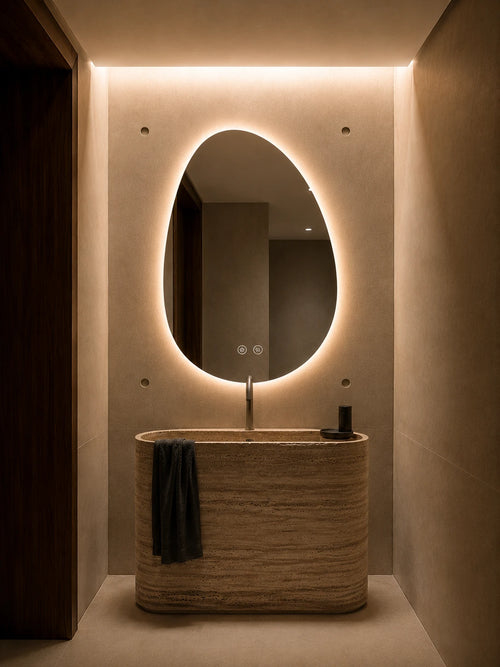
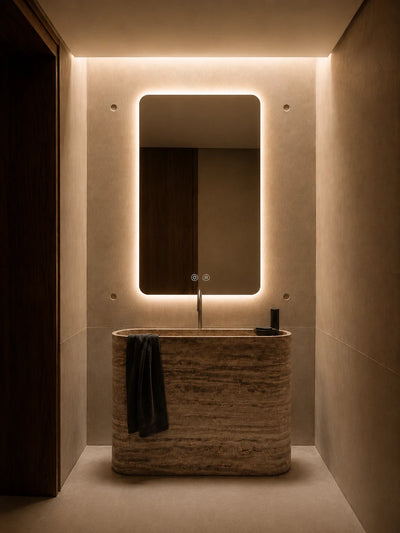
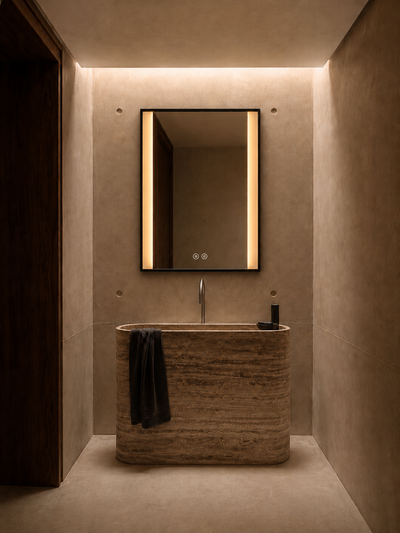
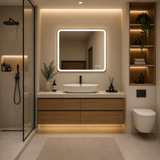
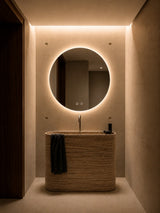
For single vanities, mirrors between 70% and 90% of the vanity width create the most balanced appearance. For double vanities, either use one continuous mirror spanning both basins or two identical mirrors centred over each sink. LED mirrors work best when their lighting extends evenly around the face. Leave approximately 15–25 cm between the countertop and the bottom edge of the mirror.
Full-Length Mirrors
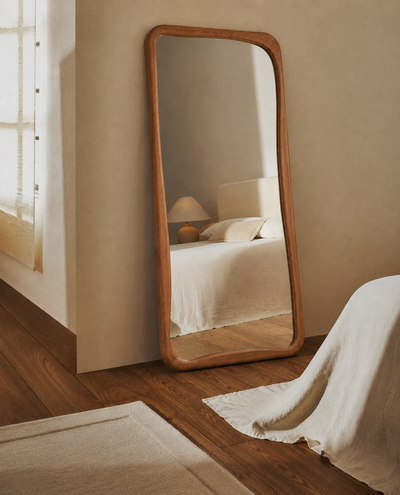
A full-length mirror should allow an adult to see their entire reflection without stepping back excessively. Heights between 165 and 180 cm suit most homes, while wider mirrors create a more premium feel. Bedrooms, dressing rooms, walk-in wardrobes and entryways are the most practical locations.
Living Rooms
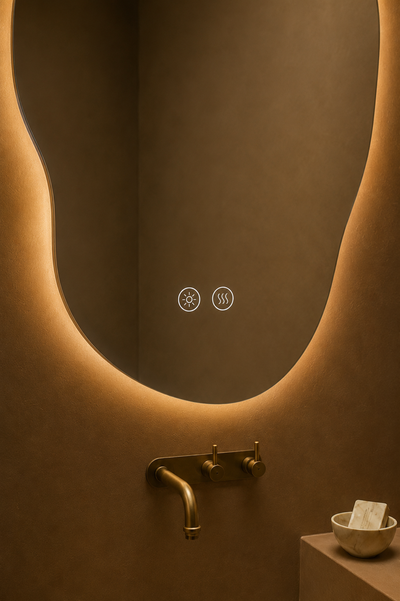
Mirrors above console tables, fireplaces and sofas should feel visually connected to the furniture beneath them. Oversized mirrors often make living rooms appear significantly brighter by reflecting windows. Organic and arched mirrors soften contemporary interiors, while rectangular mirrors complement minimalist spaces.
Bedrooms
Mirrors above dressers should not exceed the width of the furniture. Dressing corners benefit from full-length mirrors positioned where natural light falls across the face rather than from behind.
Entryways and Hallways
A thoughtfully placed mirror near the entrance creates a welcoming first impression and offers a practical last look before leaving home. Narrow hallways benefit from vertically oriented mirrors that visually stretch the walls.
Designer Tips
Avoid placing mirrors where they reflect clutter. Instead, position them opposite artwork, architectural details or natural light. A mirror reflects whatever sits in front of it, so choose the reflected view with as much care as the mirror itself.
Common Mistakes
Buying solely based on wall size, ignoring furniture proportions, hanging mirrors too high, choosing decorative mirrors where functional mirrors are needed, and underestimating the importance of lighting are among the most common mistakes.
Frequently Asked Questions
Can a mirror be wider than the vanity? In most residential settings, keeping the mirror slightly narrower creates better balance.
What size mirror makes a room look bigger? Larger mirrors with uninterrupted reflective surfaces maximise the illusion of space.
Should I choose a framed or frameless mirror? Frameless mirrors feel lighter and more contemporary, while framed mirrors add definition and character.
Final Thoughts
A premium mirror is an investment that influences the character of a room every day. Choosing the correct size is just as important as selecting the right shape, frame or finish. Measure carefully, think about the proportions of the surrounding furniture and remember that timeless design is almost always rooted in balance rather than excess.
Recommended Standard Sizes
| Mirror Type | Common Sizes | Best Use |
|---|---|---|
| Bathroom | 60×45, 70×50, 90×60, 120×90 cm | Single & double vanities |
| Round | 60, 70, 80, 90, 100 cm | Bathrooms & foyers |
| Full Length | 165×60, 180×75 cm | Bedrooms & wardrobes |
| Living Room | 120–180 cm wide | Console & feature walls |