Full Length Mirror for Dance Studio: Compare Prices and Find the Right Supplier

A well-designed dance studio requires more than adequate flooring and lighting. Mirrors are equally important because they allow dancers to observe their movements, correct posture and maintain proper alignment during practice. Choosing the right full length mirror for dance studio use can improve the training environment for beginners, professional performers, dance instructors and fitness enthusiasts.
However, selecting studio mirrors involves several considerations, including glass quality, dimensions, installation requirements, safety features and overall cost. With different products and suppliers available, understanding these factors can help studio owners make a practical purchasing decision.
This article explains the different mirror options, factors influencing prices, essential safety considerations and how to identify a reliable supplier for a dance studio.
Why Are Full-Length Mirrors Important in Dance Studios?
Mirrors play an important role in dance training because they provide immediate visual feedback. Dancers can observe their movements while practising and identify areas that require improvement. Similarly, a frameless mirror for bathroom adds a clean, modern touch to bathroom interiors while offering everyday functionality.
Here are some reasons why installing a full length mirror for dance studio spaces can be beneficial.
1. Helps Improve Posture and Alignment
Correct posture is essential across different dance styles, including ballet, contemporary, jazz and classical dance. Mirrors allow dancers to observe their body alignment, shoulder positioning, leg movements and overall posture.
Instructors can also use mirror reflections to demonstrate techniques and help students understand the correct positioning during exercises.
2. Supports Movement Coordination
Dance routines involve coordinated movements of the arms, legs and upper body. Practising in front of mirrors helps dancers understand how different movements work together.
Visual feedback can make it easier to identify timing inconsistencies, incorrect positioning and differences between intended and actual movements.
3. Improves Group Practice
When several dancers practise together, mirrors help them maintain consistent spacing and positioning. Instructors can observe the group without constantly moving between individual students.
This is particularly useful for choreography sessions, group rehearsals and synchronised performances.
4. Makes the Studio Look More Spacious
Large reflective surfaces can create an impression of additional space by reflecting light and surrounding interiors. This can be particularly useful in smaller dance studios where maintaining an open and comfortable environment is important.
Types of Mirrors Suitable for Dance Studios
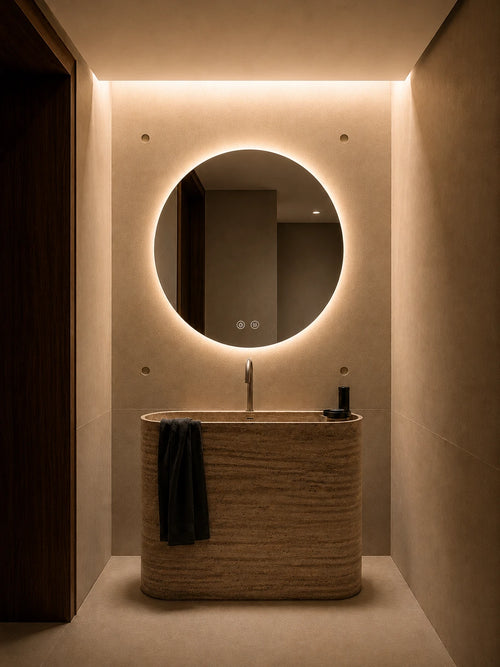
Before comparing suppliers, studio owners should understand the different mirror options available. Each type offers different advantages depending on the room layout, installation requirements and training activities. Similar considerations apply when choosing a round or square mirror in bathroom, as the right shape can complement the available space and overall interior design.
Wall-Mounted Mirrors
Wall-mounted mirrors are commonly used in permanent dance studios. They can cover a large section of the wall, providing dancers with a consistent reflection during practice.
These mirrors are suitable for studios that have dedicated training spaces and require a permanent installation.
Floor-to-Ceiling Mirrors
Floor-to-ceiling installations provide an extended reflective surface, allowing dancers to observe their complete body movements. They are particularly useful for ballet training, choreography and other activities involving extensive movement.
However, installation requires careful measurements, appropriate wall support and professional fitting.
Portable Mirrors
Portable mirrors are useful for temporary training spaces, multipurpose rooms and smaller studios. They can be moved or repositioned according to the available space.
Although convenient, their stability, frame construction and safety features should be checked before purchasing.
Large Studio Mirror Panels
Individual mirror panels can be installed side by side to cover wider wall sections. This arrangement allows studio owners to customise the reflective area according to the room dimensions.
Choosing properly aligned panels is important because uneven installation can create visible gaps or inconsistent reflections.
What Factors Affect Dance Studio Mirror Prices?
The overall studio mirror price depends on several product and installation factors. Comparing quotations based only on the listed price may result in an unsuitable purchase. Similarly, choosing the best bathroom mirror requires considering its size, design, glass quality and installation requirements.
Consider the following aspects before finalising a budget.
1. Mirror Dimensions and Thickness
Mirror dimensions directly influence the quantity of glass required. Larger panels generally cost more because they require additional material, handling and transportation.
Glass thickness is another consideration. The appropriate specification depends on the panel dimensions, installation method and manufacturer's recommendations.
2. Glass Quality and Reflection Clarity
Reflection quality is essential in a dance environment. Distorted reflections can make it difficult for dancers to evaluate their movements accurately.
Look for mirrors with a consistent reflective surface, minimal visual distortion and suitable finishing. Request product specifications or samples where possible before placing a bulk order.
3. Safety Features
Dance studios experience frequent movement, making glass safety an important purchasing consideration. Depending on the product and application, options may include safety-backed mirrors, protective films, polished edges and suitable mounting systems.
The supplier should clearly explain the available safety features and their limitations.
4. Installation and Transportation
The final quotation may include more than the mirror itself. Delivery, packaging, handling, wall preparation, installation hardware and professional fitting can influence the total project cost.
Ask suppliers to provide an itemised quotation so that these expenses can be compared accurately.
5. Customisation Requirements
Some studios require customised dimensions, specific edge finishes or mirror arrangements that suit unusual wall layouts. Custom manufacturing can affect production timelines and pricing.
Providing accurate measurements before requesting quotations can help suppliers recommend suitable options.
How to Compare Dance Mirror Suppliers
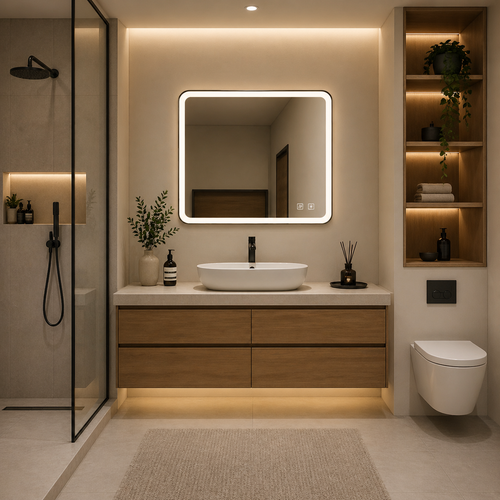
Finding the right dance mirror suppliers requires evaluating product quality, technical specifications and service capabilities rather than choosing the lowest quotation. Similarly, selecting a bathroom mirror with light involves considering illumination quality, design, size and installation requirements.
Use the following criteria when comparing potential suppliers.
Check Product Specifications
Ask for information about glass thickness, reflective quality, dimensions, edge finishing and backing options. These specifications help establish whether the product is appropriate for regular studio use.
Review Previous Projects
Suppliers with experience handling large mirror installations may be better equipped to understand measurement, transportation and fitting requirements.
Request photographs or references from previous commercial or institutional projects where available.
Understand Installation Support
A supplier should explain whether installation services are available or whether the studio owner must arrange a separate professional installer.
Clarify responsibility for measurements, mounting hardware, wall preparation and post-installation inspection.
Compare Warranty and After-Sales Support
Ask about warranty coverage, manufacturing defects, transportation damage and replacement procedures. Written terms provide greater clarity if problems arise after delivery.
Evaluate Communication and Delivery Timelines
Reliable suppliers should provide clear quotations, realistic production schedules and delivery information. This becomes particularly important when a studio is preparing for an opening or renovation.
Important Factors to Consider Before Installation
Selecting suitable full length dance mirrors is only one part of creating a functional training environment. Their positioning and installation also influence everyday usability.
Wall condition: Check whether the wall can support the mirror panels and mounting system. Professional assessment may be required for heavier installations.
Mirror height: The reflective surface should allow dancers to observe their complete movements, including footwork and upper-body positioning.
Panel alignment: Multiple panels should be installed evenly to minimise gaps and visible inconsistencies across the reflective surface.
Lighting: Avoid positioning mirrors where direct glare or harsh reflections interfere with visibility. Balanced lighting helps maintain a comfortable practice environment.
Floor clearance: Consider the relationship between the mirror's bottom edge and the studio flooring. The arrangement should suit the intended training activities and installation system.
Professional fitting: Large glass panels should be handled and installed by trained professionals using appropriate equipment and mounting methods. Avoid relying on ordinary adhesive or unsupported fixing arrangements unless specifically approved for the product.
How to Choose the Right Mirror Size for Your Studio
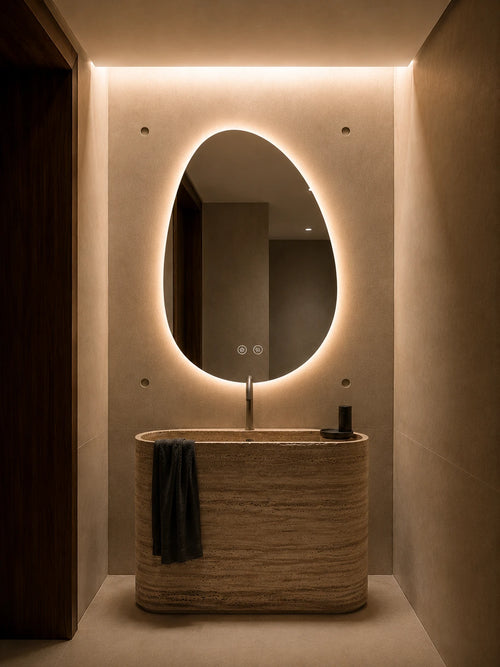
There is no universal mirror size suitable for every dance studio. The correct dimensions depend on the room's width, ceiling height, number of dancers and types of activities conducted. Similarly, arch mirror sizes should be selected according to the available wall space, desired visual proportions and interior layout.
For smaller studios, covering one strategically selected wall may provide sufficient visibility. Larger training facilities may benefit from continuous mirror installations across multiple sections.
Before ordering, measure the available wall area and account for doors, windows, electrical fittings and other obstructions. Also consider the viewing distance between dancers and the reflective surface.
For studios with changing requirements, modular dance studio wall mirrors can provide greater flexibility because individual panels can be selected according to the available wall space.
It is also useful to discuss the intended application with the supplier. A supplier who understands the studio layout can help determine appropriate panel dimensions, mounting arrangements and finishing requirements.
Common Mistakes to Avoid When Buying Studio Mirrors
A purchasing decision based only on appearance or price can create problems after installation. Keep these common mistakes in mind:
-
Choosing the cheapest quotation: A low price may not include transportation, installation or essential safety features.
-
Ignoring reflection distortion: Poor-quality reflections can affect movement observation and training.
-
Overlooking wall measurements: Incorrect dimensions may result in unnecessary gaps, cutting or additional expenses.
-
Neglecting installation requirements: Large glass panels require suitable mounting arrangements and professional handling.
-
Not checking warranty terms: Unclear replacement and damage policies can create difficulties later.
-
Ignoring future requirements: Consider whether the studio may expand or require additional mirror panels.
Conclusion
Choosing a suitable full length mirror for dance studio installation requires careful consideration of glass quality, dimensions, reflection clarity, safety features and installation support. Similarly, selecting the best LED mirror involves evaluating lighting quality, mirror clarity, design, energy efficiency and installation requirements. Comparing suppliers on these factors helps studio owners evaluate the overall value rather than focusing exclusively on the initial quotation.
A properly planned mirror installation can support movement correction, group coordination and a more functional practice environment. By understanding the studio's requirements and comparing detailed quotations, buyers can select mirrors that suit their available space and long-term training objectives.
Looking for a quality full length mirror for your dance studio? Connect with The Artessa to explore suitable mirror options for your space and requirements. Get in touch with our team for product details and assistance with your purchase.
Call: +91 93548 39732
Email: info@theartessa.com
Frequently Asked Questions
What type of mirror is best for a dance studio?
Wall-mounted mirrors and floor-to-ceiling mirrors are popular options. The right choice depends on available wall space, training activities, glass specifications and installation requirements.
How much does a dance studio mirror cost?
The cost depends on mirror dimensions, glass thickness, quality, safety features, customisation, transportation and installation. Request itemised quotations to compare the actual project cost.
How tall should a dance studio mirror be?
The mirror should provide sufficient vertical coverage for dancers to observe their full-body movements. Room dimensions, ceiling height and the intended dance activities determine suitable measurements.
Are safety-backed mirrors suitable for dance studios?
Safety-backed mirrors can offer additional protection by helping retain broken glass fragments. However, they should be selected with appropriate glass specifications and professional installation.
How do I find a reliable dance mirror supplier?
Compare product specifications, previous installation projects, warranty coverage, delivery timelines and installation support. A detailed quotation helps assess the supplier's overall suitability.